
DIY Touring: How Punk Bands Hit the Road
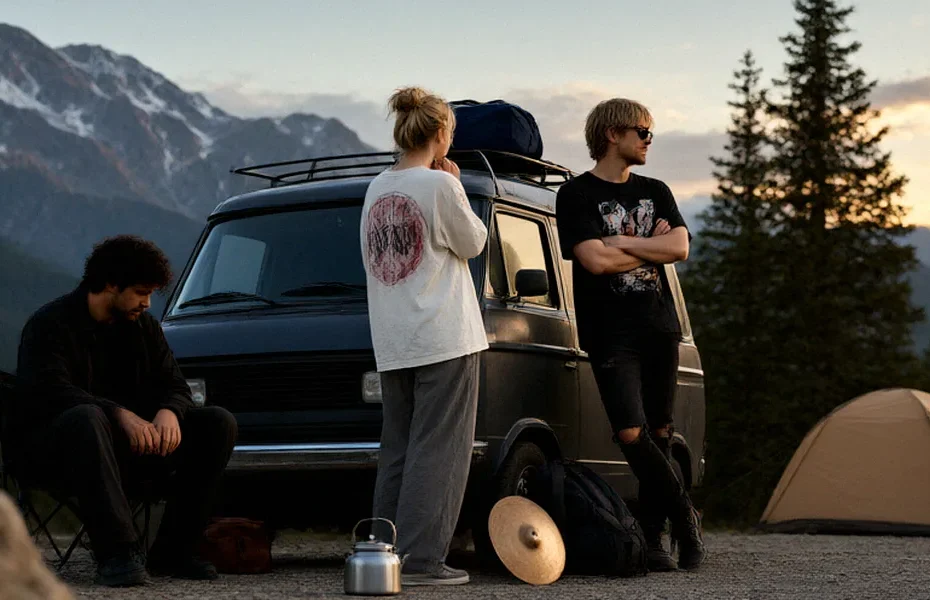
It’s 3am somewhere on the Pacific Highway between Sydney and Brisbane. The van smells like sweat, stale coffee and a faint hint of melted guitar lead. Four people are crammed into a space designed for cargo, not humans, and someone’s trying to sleep across a stack of amps while the driver squints through bugs on the windscreen. Nobody is getting paid tonight. So why do punk bands keep choosing the hard way? Because for us, DIY touring isn’t a compromise — it’s the whole point.
The DIY Ethos: Why Punk Bands Book Their Own Tours
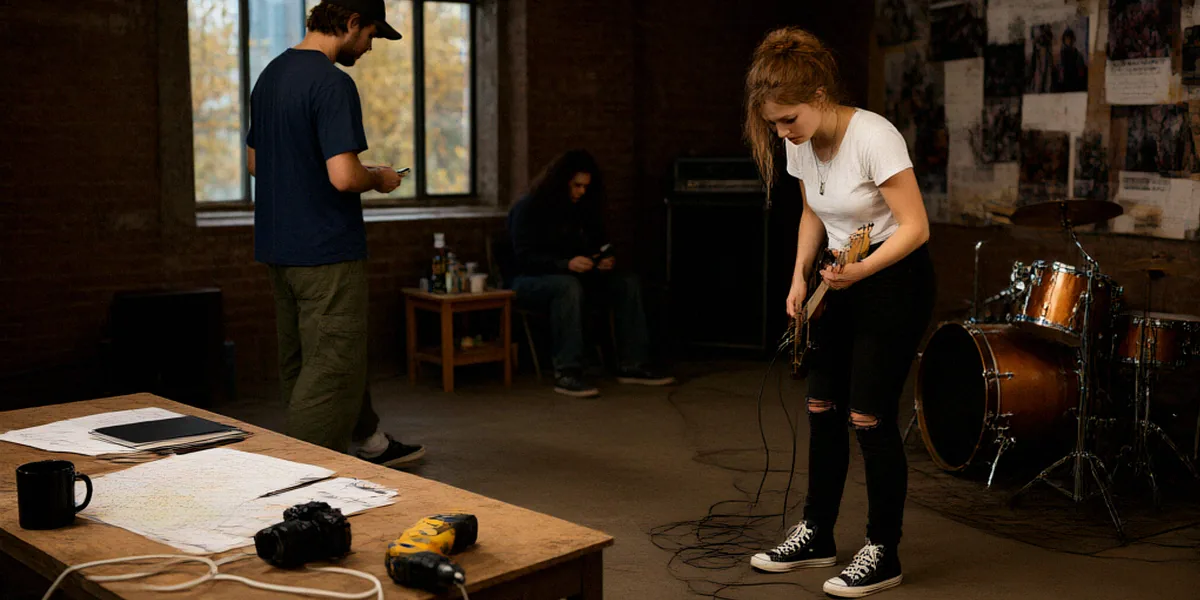
DIY touring is baked into punk rock’s DNA. Long before booking agents and tour managers became standard, bands were cold-calling venues, printing their own flyers and sleeping in strangers’ lounges. That tradition still runs strong through melodic punk today, and we wouldn’t have it any other way.
From Basements to Bandwagons: A Brief History
Black Flag basically wrote the manual in the early ’80s — booking their own shows across the United States, playing anywhere that would have them, and sleeping on floors to keep costs down. Minor Threat did the same on the East Coast, building a network of all-ages shows that bypassed the club circuit entirely. That template spread globally, and it’s still how most punk bands get their start.
Modern acts like Useless ID, the Israeli melodic punk band, have kept that spirit alive. They’ve toured Australia multiple times using DIY networks — no major label backing, just relationships built over decades of showing up and playing hard. The Smith Street Band from Melbourne began the same way, sleeping on floors across the country before anyone knew their name. That’s the lineage we’re all part of.
Why We Still Prefer the Hard Way
We could chase an agent. We could wait for a support slot on a bigger tour. But booking it ourselves means we keep control — of the venues, the door deals, the set times, the whole vibe. It also means every show we play is a direct relationship with the people who came to see us. That matters more than a comfortable green room.
Booking the Tour: From Spreadsheets to Handshake Deals
Here’s the unglamorous truth: booking a DIY tour is mostly admin. Spreadsheets, emails, Facebook messages, and a lot of waiting for replies. It’s not romantic, but it works.
Routing and Budgeting on a Shoestring
Routing is everything. You want to minimise driving, maximise shows, and avoid playing two cities in one night. For Australian tours, that means accepting some brutal legs — the long drive between Perth and Adelaide is one of the most gruelling stretches any DIY band will face. It’s roughly 2,700 kilometres of mostly nothing, and you’ll do it on minimal sleep.
A basic tour budget usually looks like this:
- Fuel: often the single biggest expense
- Accommodation: usually zero, because you’re sleeping on floors
- Food: service station pies and whatever the venue provides
- Merch production: upfront cost before you sell a single tee
- Van maintenance: always assume something will break
- Emergency buffer: because something always does
Pitching Venues and Promoters Without a Manager
We send short, honest emails. Who we are, what we sound like, when we’re available, and what we’re asking for. Venues like The Tote in Melbourne — a legendary DIY punk venue that reopened after a massive community campaign — have heard every pitch imaginable, so you need to be real. Crowbar Sydney is another key spot for punk and hardcore shows, often hosting touring bands on door deals. If you can offer a solid local support act and a bit of promo hustle, you’re already ahead of half the emails in their inbox.
On the Road: Vans, Floors, and Service Station Feeds
Once the tour starts, it’s a different kind of chaos. Long drives, short sleeps, and a rotating cast of characters who let you park in their driveway.
The Van Is Home: Packing and Maintenance
Your van is your bedroom, your green room and your storage unit. Pack smart: instruments first, merch second, personal bags last. Keep a basic toolkit, spare strings, gaffer tape, and a jerry can. Check the oil at every fuel stop. If something sounds wrong, it probably is.
Sleeping Arrangements: Couches, Floors, and Hostels
We’ve slept on more floors than we can count. Fans’ lounges, venue backrooms, the occasional hostel when someone’s feeling generous. The rule is simple: leave the place cleaner than you found it, and always say thank you. Those hosts are the reason the tour exists.
Money Matters: Merch, Door Deals, and Breaking Even
Nobody gets into DIY touring to get rich. The goal is to break even, and even that’s ambitious on a first run.
Merch Table Strategy: What Sells and What Sits
T-shirts sell. Vinyl sells if you’ve got a small label pressing it and the crowd knows you. Stickers and patches move quickly at low price points. Hats and tote bags are hit or miss. The most important thing is having someone at the table — a dedicated merch person who can talk to punters while you’re loading out or soundchecking. That person is worth their weight in gold.
Splitting the Door: Fairness and Reality
Door deals vary wildly. Sometimes it’s a straight split with the local band. Sometimes the venue takes a cut first. Sometimes you walk away with $80 and a free beer. The key is agreeing on terms before the show, in writing if possible, and not being a dick about it afterwards. Reputation travels faster than any tour poster.
Lessons from Useless ID and Other Melodic Punk Veterans
We’ve learned a lot from watching bands who’ve been doing this for decades. Useless ID especially — they’ve been touring internationally since the mid-’90s, and they still operate with a DIY mindset.
What Useless ID Taught Us About Persistence
Useless ID have played Australia multiple times through DIY networks, and their approach is refreshingly no-nonsense. Show up on time. Play like it’s the biggest show of your life, even if there are 12 people. Treat the local bands well. Come back next time. That persistence is why they’ve built a genuine fanbase here rather than just passing through.
Advice for First-Time DIY Tourers
Australian bands like The Decline and Local Resident Failure have shared similar wisdom over the years. Our advice:
- Start small — a weekend run, not a month.
- Book with bands you actually like.
- Bring less stuff than you think you need.
- Say yes to the floor, the couch, the weird venue.
- Thank everyone, every night.
The Payoff: Why DIY Touring Still Matters
The payoff isn’t financial. It’s the friendships forged in cramped venues, the inside jokes from 4am drives, the kid at the front who knows every word. It’s the community that keeps punk rock alive in Australia — from The Tote to Crowbar to the backyard show in a town you’d never otherwise visit. DIY touring is how that network stays connected.
FAQ
How much does a DIY tour in Australia typically cost?
For a small band doing a week-long run, expect to spend somewhere between $1,500 and $3,000 on fuel, food and basic expenses. Merch sales and door deals usually offset part of it, but breaking even on a first tour is rare.
Do I need a booking agent to tour Australia?
No. Plenty of punk and melodic punk bands tour entirely through DIY networks. You’ll do more admin, but you keep full control over routing, door deals and merch.
What’s the hardest drive on an Australian DIY tour?
The Perth to Adelaide leg is widely considered the most gruelling. It’s thousands of kilometres of open road with very few stops, and it eats into both your budget and your sanity.
How do door deals usually work at punk venues?
It varies. Some venues split the door evenly between touring and local bands, others take a cut first. Always confirm the terms in advance and keep it friendly — the punk scene is small and word travels fast.
What merch should a DIY band bring on tour?
T-shirts, vinyl and stickers are the safest bets. Bring a range of sizes, keep prices reasonable, and have someone dedicated to running the table so you don’t miss sales while loading out.
DIY touring isn’t about saving money — it’s about building something sustainable and independent, where people matter more than profits. That’s the punk scene we want to keep alive in Australia, one cramped van ride at a time.