
Why Melodic Punk Still Matters to a New Generation
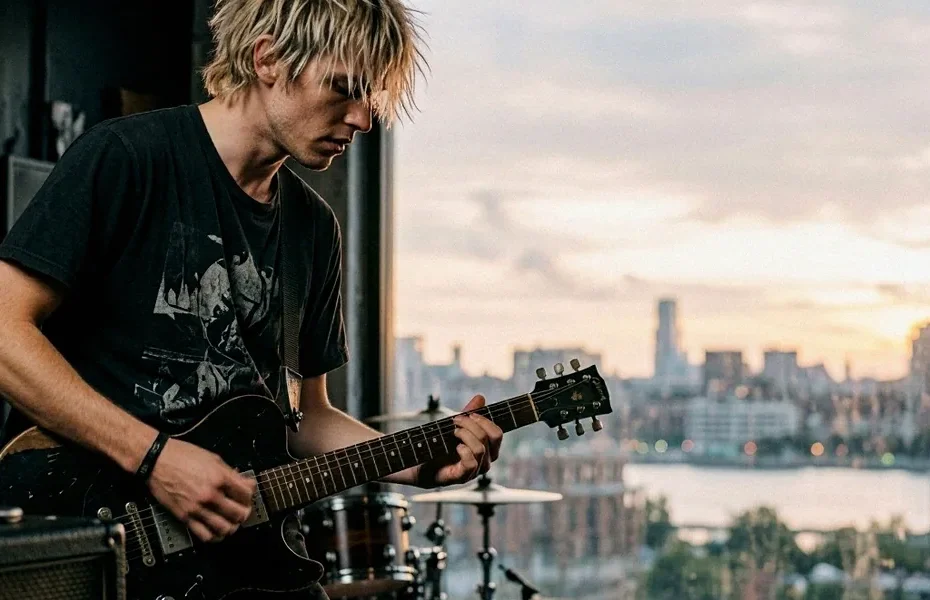
We still remember the first time a soaring guitar riff and a shout-along chorus made us feel like we belonged to something bigger than a scene. Maybe it was a scratched CD passed around the schoolyard, maybe it was a sweaty all-ages show in a community hall, or maybe it was a late-night Triple J play that hit at exactly the right moment. Whatever the entry point, melodic punk has a knack for finding people when they need it most — and in Australia, that tradition is alive, loud and still pulling in new crowds every weekend.
The Enduring Pull of a Good Hook
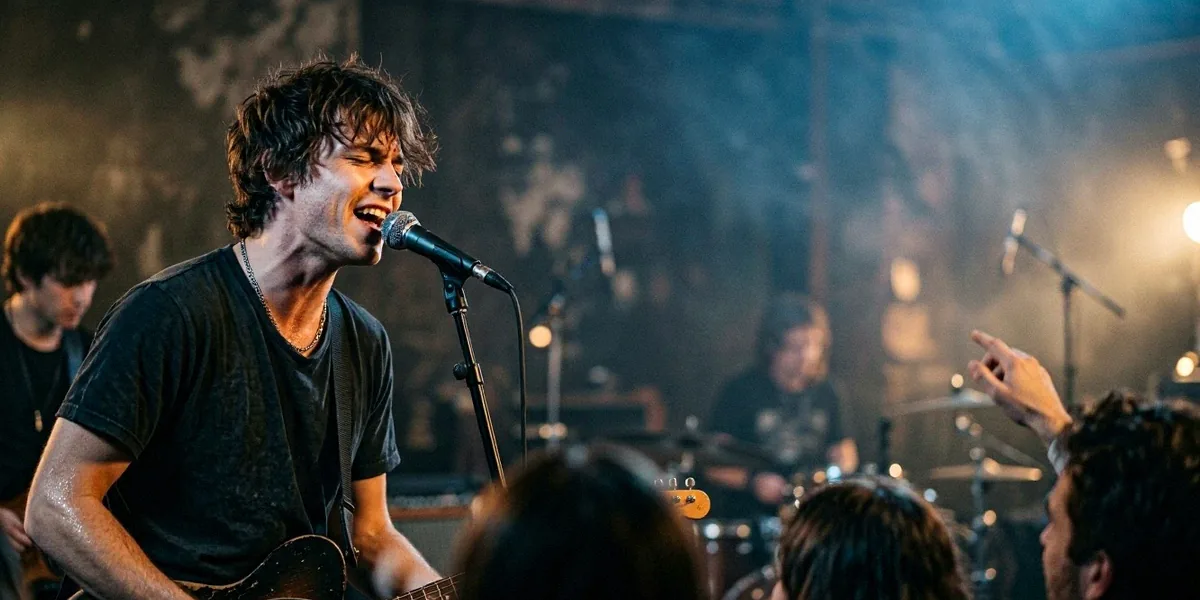
Strip away the distortion and what’s left at the core of melodic punk is songwriting: big choruses, honest lyrics and riffs you can hum on the tram home. That’s why bands like The Living End and Bodyjar remain local touchstones decades into their careers. The Living End turned double bass and punk energy into festival mainstays, while Bodyjar’s brand of tight, hook-heavy punk gave a generation of Australian kids their first taste of a chorus worth yelling. Neither band relies on nostalgia alone — they still draw crowds who know every word.
What keeps this sound fresh is its emotional honesty. Melodic punk doesn’t hide behind irony; it says the thing you’re feeling, then gives you a melody to carry it. For a teenager wrestling with school, family or their own head, that combination is powerful. It was powerful in the ’90s, and it’s just as powerful now.
From Skate Parks to Streaming: How New Fans Find It
The path into punk looks different these days. Where we once dubbed tapes off mates or caught a clip on Rage, new listeners are just as likely to find a band through a TikTok snippet, a Spotify algorithm or a YouTube upload of a grainy live set. Skate parks still matter — they remain informal proving grounds where kids hear local bands for the first time — but the digital pipeline is just as real. A single viral chorus can send thousands of new fans to a band’s Bandcamp page overnight.
Why Pop Punk Albums Still Sell Out Shows
There’s a reason pop punk albums keep filling rooms. The genre rewards repeat listening: layered harmonies, bridge breakdowns and singalong finales are built for live performance. When a tour is announced, the people who wore out that record in their bedroom show up in force. Pop punk’s accessibility — melody first, aggression second — means it converts casual listeners into ticket buyers faster than almost any other corner of rock.
A Scene That Refuses to Die
Australian punk rock communities have never waited for permission. When big venues tighten their belts, the scene shifts to DIY spaces, back rooms and band rooms. When those close, it rebuilds somewhere else. That adaptability is why the scene keeps refusing to die, whether it’s a midweek show in Melbourne or a packed weekend bill in Sydney.
Melbourne Gigs: The Heartbeat of the Scene
Melbourne gigs remain the heartbeat of Australian punk. The Tote in Collingwood is a legendary punk venue — its history, its sticky carpet and its no-nonsense booking policy have made it a rite of passage for local bands. Nearby, venues like The Curtin and The Old Bar keep the calendar full, while larger rooms host touring internationals. If you want to understand the scene, spend a month going to shows in Melbourne and you’ll see the full spectrum, from first-timers to lifers.
Sydney Live Music: A Resurgent Force
Sydney live music has fought hard for its comeback after years of lockout laws and venue closures, and the results are showing. Crowbar Sydney hosts regular punk and hardcore shows, giving both local and touring acts a reliable home. Add rooms like The Lansdowne and Marrickville’s growing cluster of small venues, and Sydney now offers a genuinely healthy circuit again. It’s not the same city it was in 2010 — in many ways, it’s better.
New Bands, Old Spirit
The current wave of Australian punk is proof the spirit survives. The Chats, a Queensland punk band known for ‘Smoko’, turned a deadpan anthem about a cigarette break into an international calling card without changing a thing about their sound. Amyl and the Sniffers, a Melbourne punk band with international acclaim, took raw pub-rock energy to festivals across Europe and the US while staying proudly local in attitude. Different bands, same refusal to polish away the rough edges.
Punk Band Tips for the Next Wave
If you’re starting a band right now, here’s what we’ve seen work:
- Write the chorus first. If it doesn’t work shouted by ten people in a rehearsal room, it won’t work on stage.
- Play live before you record. Stage hours teach you more than any studio session.
- Keep your first release short — three or four songs, recorded honestly.
- Be reliable. Turn up on time, answer messages, and treat every support slot like a headline show.
- Know your local scene. Go to other bands’ gigs, buy their merch, and build genuine relationships.
How to Book Your First All-Ages Show
All-ages shows are the lifeblood of the scene, and booking one is easier than it looks. Start by approaching community halls, PCYCs, youth centres and licensed venues with dedicated all-ages rooms. Put together a lineup of three or four compatible bands so you can split costs and share the audience. Be upfront about your expected draw, offer to help with promotion, and always have a responsible adult or nominated contact for the venue. Once you’ve run one smoothly, doors open faster than you’d expect.
Why It Matters More Than Ever
In a fragmented digital world, melodic punk’s sense of community and catharsis is vital for young Australians. Modern pop punk albums increasingly tackle mental health, identity and burnout head-on — and that honesty gives listeners language for things they might not otherwise know how to say. A song about anxiety played to a room of strangers can do more than a thousand well-meaning conversations.
The Role of All-Ages Gigs in Building Community
All-ages gigs are where the next generation of the scene is built. They’re where a fifteen-year-old sees their first local band, buys their first shirt and decides to start their own group. Remove them and the pipeline dries up within a few years. Protect them and the scene renews itself indefinitely.
From Mosh Pit to Mateship: The Social Impact
The mosh pit is often the first place young people experience genuine collective joy — a space where size, background and social status stop mattering for forty minutes. What forms afterwards is just as important: friendships, bands, zines, shared houses, lifelong scenes. Punk’s social impact isn’t a side effect. It’s the point.
Keeping the Flame Alive
Keeping the scene healthy is a shared job. Fans, zines and local radio all play a part. Triple J’s Like a Version often features punk covers, and those moments introduce the genre to listeners who’d never otherwise hit play on a hardcore record. Community radio, Bandcamp Friday and word-of-mouth all matter too.
Supporting Local Bands Beyond the Mosh Pit
Buying a ticket is the start, not the finish. Buy the shirt, share the single, request the song, write the review, offer the couch to a touring band. Small, consistent actions keep small scenes running.
The Future of Punk Zines in a Digital Age
Print zines aren’t dead — they’ve just found a new rhythm. Short runs, handmade layouts and QR codes linking to Bandcamp give zines a physical presence with digital reach. Our team plans to cover more punk rock Australia events, from Melbourne gigs to Sydney live music nights, and to keep spotlighting the pop punk albums and local bands that deserve a wider audience.
FAQ
Where can I see punk shows in Melbourne?
The Tote in Collingwood is the classic starting point, with The Curtin, The Old Bar and countless DIY spaces filling out the rest of the calendar. Check venue listings weekly — many shows are announced only a fortnight ahead.
Is there still a punk scene in Sydney?
Yes, and it’s growing again. Crowbar Sydney hosts regular punk and hardcore shows, and venues across Marrickville and the inner west keep the circuit busy most weekends.
Which Australian punk bands should I start with?
The Chats, Amyl and the Sniffers, The Living End and Bodyjar cover a wide spread of eras and styles. From there, follow support slots and split releases to find the newer acts.
How do I book an all-ages punk show?
Approach community halls, youth centres and venues with dedicated all-ages rooms, build a lineup of three or four bands, and be clear about your expected crowd. Reliability gets you rebooked.
How can I support local punk beyond buying tickets?
Buy merch, share releases, request songs on community radio, write about shows, and show up consistently. Every small action compounds across a scene.
Melodic punk isn’t nostalgia. It’s a living, breathing force that keeps giving new generations a voice and a place to belong — from The Tote’s front bar to a packed Crowbar on a Saturday night, from a Queensland shed to a Melbourne sharehouse. As long as kids keep picking up guitars and yelling along, the scene will keep answering back.