
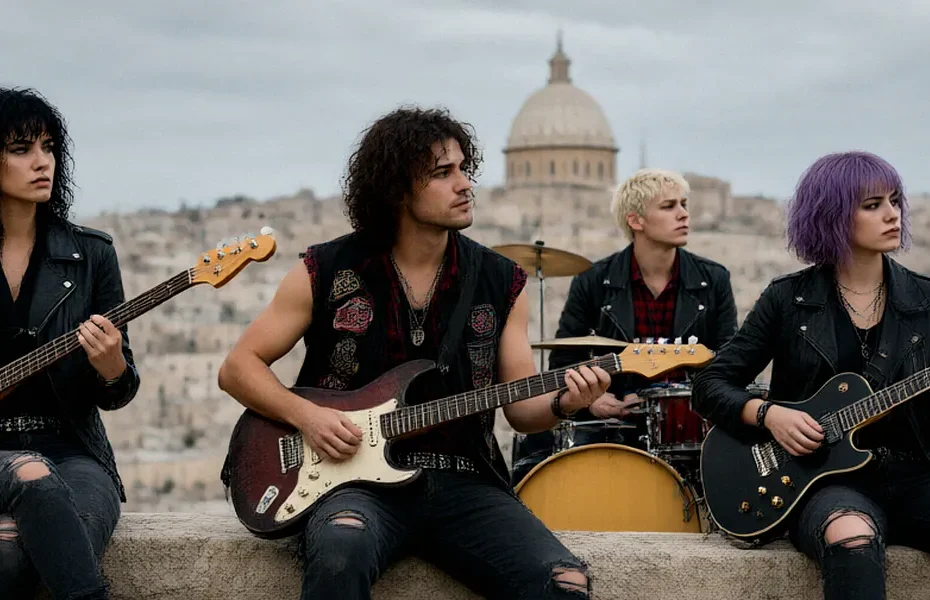
Punk Rock from Israel: A Scene Overview
Punk rock belongs to the world, but some scenes stay hidden in plain sight. Israel’s punk community is one of those. For decades, a small but fiercely dedicated network of bands, DIY promoters, and fans has kept the spirit of melodic punk and hardcore alive in a country the size of New Jersey. We’ve been following this scene for years, and it deserves far more attention than it gets. From late-70s pioneers to modern touring machines, here’s our overview of Israeli punk rock and its connection to fans right here in Australia.
The Roots of Israeli Punk Rock
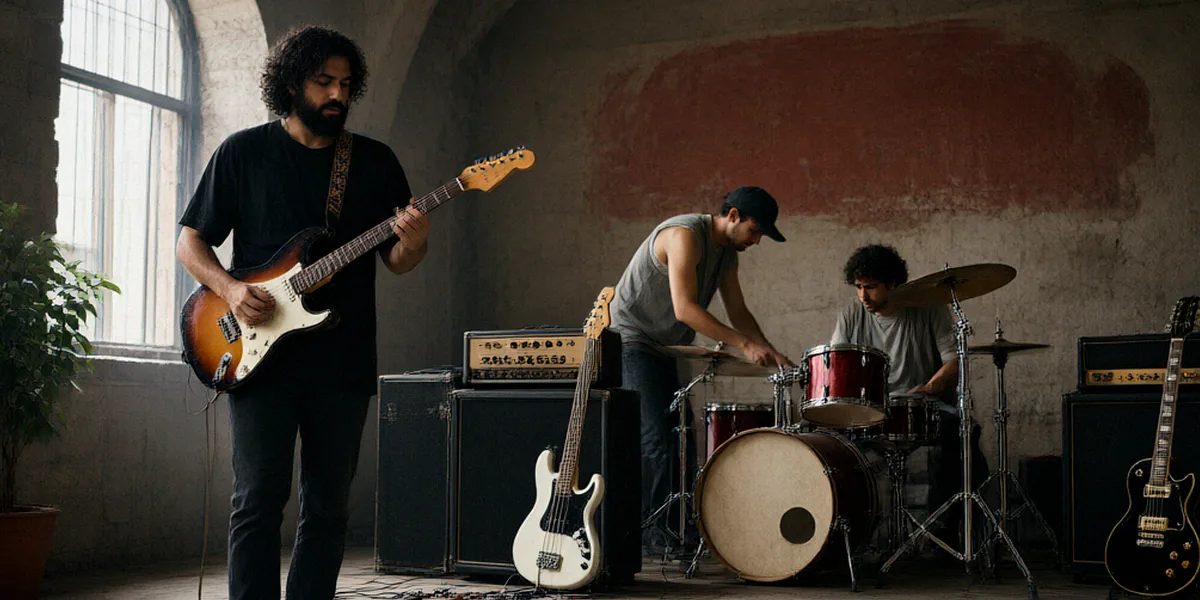
Punk arrived in Israel in the late 1970s, carried on the same wave that swept the UK and US. The political and social climate of the time — conscription, economic strain, and a restless youth culture — gave the music a natural home. It wasn’t a big commercial movement, but it was loud, angry, and entirely self-made.
Early Pioneers and Political Context
Chromosome are widely cited as one of the first Israeli punk bands, forming in the late 1970s and releasing material that drew directly from the UK punk playbook. Their sound was raw and their lyrics carried the frustration of a generation dealing with war, mandatory military service, and a society that didn’t always welcome dissent. Punk became a release valve. Bands played wherever they could — community centres, small clubs, and borrowed rooms — because there was no real infrastructure for alternative music.
That political backdrop matters. Israeli punk has always carried a heavier weight than some of its international counterparts, because the stakes around speaking out are higher. That tension is part of what gives the scene its edge.
The Role of Tel Aviv in the 1980s
By the 1980s, Tel Aviv had become the unofficial capital of the scene. Small venues and record shops clustered in the city, and a new generation of bands started building a genuine underground. It was scruffy, low-budget, and completely DIY — which is exactly how the best punk scenes start. This era laid the groundwork for everything that followed, including the melodic punk wave of the 1990s.
Useless ID and the Rise of Melodic Punk
If one band put Israeli punk on the global map, it’s Useless ID. Formed in Haifa in 1994, they took the aggression of hardcore and married it to the hooks and harmonies of melodic punk. The result was a sound that could hold its own next to NOFX, Lagwagon, or Bad Religion — and eventually, it did.
From Haifa to the World: Useless ID’s Journey
The band’s breakthrough came with The Lost Broken Bones, an album that showcased sharper songwriting and a bigger melodic scope. From there, doors opened. They signed with Kung Fu Records, toured internationally, and collaborated with bands like NOFX — a genuine badge of honour in the melodic punk world. Their DIY touring ethic never changed, though. They kept playing small rooms, sleeping on floors, and building audiences one show at a time.
For Australian fans, Useless ID are a familiar name. They’ve toured Australia multiple times, including shows in Melbourne and Sydney, and their live reputation down here is strong. Every time they come back, the rooms get a little fuller.
Melodic Punk Bands Following in Their Footsteps
Useless ID opened a path that others walked. Bands like Man Alive and Kill the Drive built their own audiences through grassroots touring, tape trading, and word of mouth. They proved that a band from a small country could reach listeners on the other side of the planet without a major label behind them. That lesson still shapes the scene today.
The DIY Touring Circuit and Underground Venues
Touring in Israel is a different beast. The country is small — roughly the distance from Melbourne to Albury at its widest — so a “national tour” might mean four shows in a week. That intimacy is both a strength and a limitation. Bands get tight fast, but they also exhaust their local audience quickly, which pushes them to look outward to Europe and beyond.
Key Venues and DIY Spaces
Venues come and go, but a few names stick. The Tel Aviv DIY space known as ‘The Basement’ hosted early punk shows for bands like Man Alive, and it became a template for the scrappy, all-ages, no-frills approach that defines the scene. Other spaces have come and gone since, but the model remains: find a room, book the bands, print the flyers, do it yourself.
- The Basement (Tel Aviv) — early home for Man Alive and other DIY punk shows
- Small clubs and community halls — the backbone of the touring circuit
- Festival slots — a key way for Israeli bands to reach international audiences
- House shows — still common, still essential, still loud
Touring Challenges and Creative Solutions
There’s no ignoring the practical hurdles. Security concerns, border logistics, and the cost of flying gear in and out of the region make touring harder than it is for bands in Europe or North America. Israeli bands have adapted by travelling light, borrowing backline, and leaning on the international punk network for help. That network — the same one that connects Melbourne to Tel Aviv — is what keeps the scene moving.
Modern Israeli Punk Bands to Watch
The current generation is the strongest it’s been in years. These bands tour internationally, release on respected labels, and connect directly with fans through streaming platforms and social media. For Australian listeners, they’re more accessible than ever.
Not on Tour: Fast, Furious, and Global
Not on Tour play fast, melodic, high-energy punk with a hardcore pulse. They’ve toured extensively across Europe and beyond, and they’ve played Australia too — including a show at The Tote in Melbourne, a venue that needs no introduction to anyone reading this site. Their live sets are relentless, and they’ve become one of the most recognisable Israeli punk exports of the modern era.
Kids Insane and the Hardcore Punk Crossover
Kids Insane lean harder into the hardcore side of things, with a raw, confrontational sound that sits somewhere between 80s US hardcore and modern melodic punk. They’ve toured internationally and built a following through sheer persistence. Alongside them, The Orphans bring a scrappier, more garage-influenced take on punk that keeps the scene varied. Together, these bands show that Israeli punk isn’t a monolith — it’s a spectrum.
The Australian Connection: Israeli Punk Down Under
There’s a real kinship between the Australian and Israeli punk scenes. Both are geographically isolated, both rely heavily on DIY infrastructure, and both have small but passionate audiences that show up when it counts. That shared ethos has produced genuine exchanges over the years.
Useless ID’s Australian Tours
Useless ID have toured Australia multiple times, including shows in Melbourne and Sydney. Those tours weren’t stadium affairs — they were club shows, sweat-soaked and loud, exactly the way punk is supposed to be. For a lot of Australian fans, those gigs were their first real exposure to Israeli punk, and they left a mark.
DIY Exchange: Australian and Israeli Bands
Australian punk band The Decline have shared stages with Israeli bands, fostering a DIY exchange that runs both ways. It’s the kind of thing that doesn’t get much press but matters enormously. When a band from Melbourne plays with a band from Tel Aviv, both scenes get a little bigger. That’s how underground music survives — through direct, personal connections rather than industry machinery.
The Future of Israeli Punk Rock
Nobody would call the last few years easy for Israeli punk. Political tensions, economic pressure, and the constant logistical headaches of touring a small country have all taken a toll. But the scene keeps going. New bands keep forming, new rooms keep opening, and the DIY ethic that defined the 1980s is still doing the heavy lifting today.
New Generations and Digital Platforms
Streaming has changed everything. A teenager in Brisbane can discover Not on Tour or Kids Insane on a playlist and be a fan within minutes. Social media lets bands announce tours, share new tracks, and build relationships with fans in countries they’ve never visited. For Israeli punk, this is a game-changer — it removes the geographic barrier that used to limit their reach.
Festivals and International Outreach
Festivals are another crucial outlet. Punk Rock Holiday in Slovenia frequently features Israeli punk bands, and those slots connect them directly with Australian fans who make the pilgrimage to Europe each summer. It’s become a meeting point — a place where the Israeli scene and the global punk community overlap in person, not just online.
FAQ
Who are the most important Israeli punk bands?
Useless ID are the best-known internationally, but Chromosome were early pioneers, and modern acts like Not on Tour, Kids Insane, and The Orphans are carrying the torch today.
Has Useless ID toured Australia?
Yes. Useless ID have toured Australia multiple times, including shows in Melbourne and Sydney. Their live shows down here are well remembered by fans who caught them.
What is ‘The Basement’ in Tel Aviv?
It was a DIY venue in Tel Aviv that hosted early punk shows for bands like Man Alive. It’s a key part of the scene’s history and a symbol of its grassroots approach.
Do Israeli punk bands play in Australia often?
Not as often as we’d like, but Not on Tour has played Australia — including The Tote in Melbourne — and Useless ID have made multiple trips. The Decline sharing stages with Israeli bands has helped keep the connection alive.
Where can Australian fans see Israeli punk bands live?
Punk Rock Holiday in Slovenia frequently features Israeli punk bands and is a popular destination for Australian punk fans. Keep an eye on Australian club shows too — touring Israeli bands do make it down here.
Israeli punk rock might not dominate headlines, but it’s a vital, living part of the global punk community. From Chromosome’s late-70s beginnings to Useless ID’s international reach and the current wave of bands like Not on Tour and Kids Insane, the scene is driven by the same DIY ethics and passionate fanbase we celebrate here at uselessid.net. For Australian fans, the connection is real — through tours, shared stages, and festivals like Punk Rock Holiday. Keep listening, keep showing up, and keep supporting the bands that build it themselves.